Planning your investigation
Research Skills — Week 5 Application
Today’s plan
Today’s plan
- Git collaboration
- Set up your repos
- Research plan
- Plan presentations
- Wrap-up
Goals
By the end of today:
- Your group is finalized
- Your topic is chosen
- Your group GitHub repo is set up
- Your one-page research plan is committed
Questions?

Submit questions:
PollEv.com/geol
text geol to 07480 781235
Git collaboration
- Today’s plan
Git collaboration
🎓💻 Working as a team
- Set up your repos
- Research plan
- Plan presentations
- Wrap-up
The group workflow
Phase 1 (individual)
- Clone
- Edit
- Commit
- Push
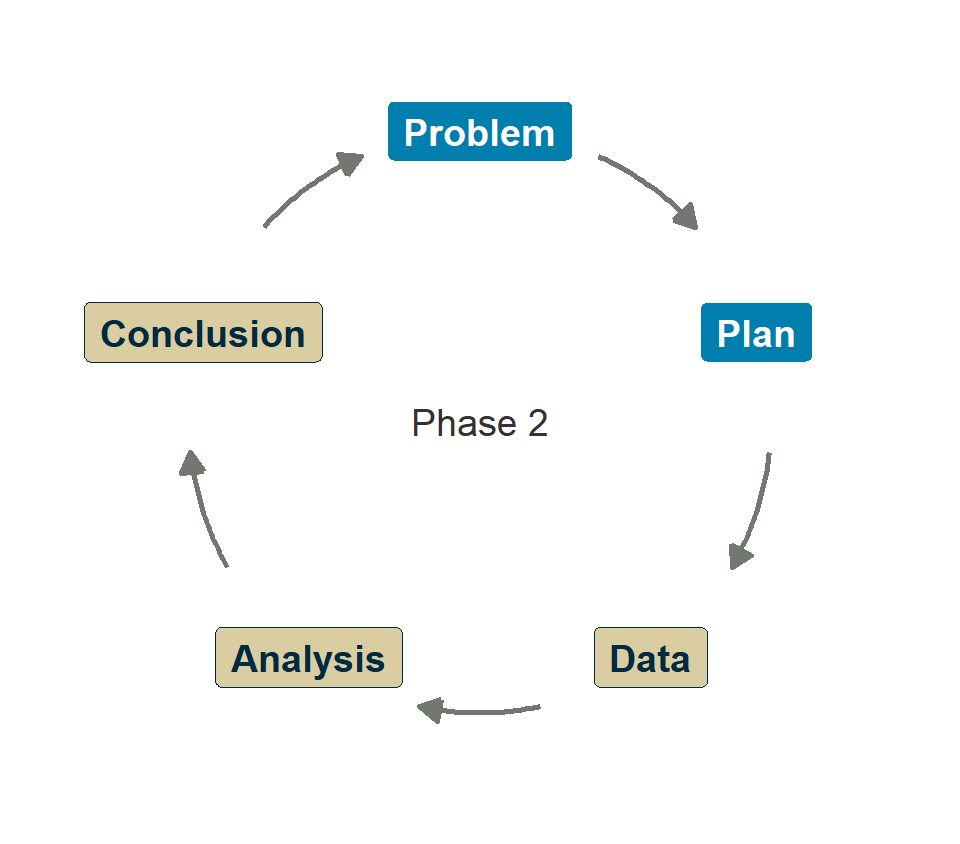
Phase 2 (group)
- Clone the shared repo
- Create a branch
- Edit, commit, push the branch
- Open a Pull Request
- Teammate reviews and merges
Live demo
🖥️ Switching to GitHub Desktop
- Accept the assignment: group assignment
- Clone the group repo
- Create a branch:
add-my-name - Edit
team.md— add your name - Commit → Push the branch
- Open a Pull Request on GitHub.com
- Teammate reviews → Merge
Why branches?
Without branches: everyone edits the same files → conflicts.
With branches: you work in parallel → combine when ready.
Think of it like lab notebooks: everyone writes their own notes, then you compile the report together.
Set up your repos
- Today’s plan
- Git collaboration
Set up your repos
✏️📋 Dry run
- Research plan
- Plan presentations
- Wrap-up
Do it yourself
Each group member:
- Clone the group repo
- Create a branch with your name
- Add your name to
team.md - Commit, push, open a PR
- The group merges all PRs
Raise your hand when your group has merged everyone’s PR.
Research plan
- Today’s plan
- Git collaboration
- Set up your repos
Research plan
✏️💬 Drafting your plan
- Plan presentations
- Wrap-up
The template
Draft your plan in research-plan.md. It has seven sections:
Problem
- Research question (one sentence)
Plan
- Hypothesis (what you expect and why)
- Data sources (where, what variables, what period)
- Comparison / control (what are you comparing to?)
- Potential confounders
- Analysis plan (which tools: descriptive, t-test, ANOVA, regression?)
- Division of labour
Questions to challenge you
As you draft, we’ll be asking:
- What’s your control?
- How will you isolate the effect?
- Is your sample representative?
- What assumptions are you making?
Attendance
Plan presentations
- Today’s plan
- Git collaboration
- Set up your repos
- Research plan
Plan presentations
💬 60-second pitches
- Wrap-up
Share your plan
Each group: 60 seconds.
- What’s your question?
- What’s your hypothesis?
- Where does your data come from?
- What’s your comparison?
Wrap-up
- Today’s plan
- Git collaboration
- Set up your repos
- Research plan
- Plan presentations
Wrap-up
Any questions we missed?
Submit questions:
PollEv.com/geol
text geol to 07480 781235
Before you leave
Next week: “Testing hypotheses”
You’ll learn formal tools for testing your hypotheses — and why a significant p-value doesn’t always mean what you think.